
Most people don’t think about their lymphatic system until something feels off. Maybe it’s that heavy, puffy feeling after a long flight, tightness after a hard workout, or the kind of restlessness that creeps in after weeks of nonstop work pressure. What a lot of people don’t realize is that this quiet, often-overlooked system plays a much bigger role in sleep quality and stress recovery than most of us give it credit for.
So here’s the real question: can supporting your lymphatic system genuinely help you sleep better and bounce back from stress more effectively? The answer is yes, and understanding why starts with understanding what this system is actually doing behind the scenes.
What the Lymphatic System Is Actually Doing
Your lymphatic system runs alongside your circulatory system, moving fluid through a network of vessels and nodes that filter out waste, toxins, and excess fluid your body no longer needs. It’s also closely tied to your immune system, which is why swelling, heaviness, or a “stuck” feeling often shows up after an injury, a procedure, or a long stretch of chronic stress.
Here’s the part that tends to surprise people: this system has no pump of its own. Unlike your heart, which keeps blood circulating automatically, lymph fluid depends on muscle movement, breathing, and outside stimulation to keep flowing. When you’re sedentary, stressed, or recovering from something that limits movement, fluid can slow down and pool. Over time, that sluggishness doesn’t just show up physically — it can also interfere with how well your nervous system is able to settle down.
Signs Your Lymphatic Flow Might Be Sluggish
A few common signals people notice include:
- Puffiness or swelling that doesn’t fully go down overnight
- A heavy or “waterlogged” feeling in the limbs
- Slower recovery after workouts, injuries, or procedures
- Feeling tired even after a full night’s sleep
- Skin that feels tight or looks dull
None of these are diagnoses on their own, but they’re worth paying attention to, especially when they show up together with poor sleep or ongoing stress.
The Sleep and Stress Connection
Sleep and stress recovery aren’t only about quieting your mind before bed. They’re closely tied to your body’s ability to shift out of a “fight or flight” state and into one of genuine rest. This shift is controlled by your autonomic nervous system, which regulates involuntary functions like heart rate, breathing, and blood pressure.
When you’re stuck in a heightened stress state which is extremely common for people juggling demanding jobs, running a business, or simply managing a full life your body doesn’t get the chance to properly downshift. Without that downshift, deep, restorative sleep becomes harder to reach, even on nights when you’re genuinely exhausted.
Why Lymphatic Support Ties Into This
Techniques that encourage lymphatic flow also tend to activate the parasympathetic nervous system, which is your body’s rest-and-repair mode. That connection isn’t a coincidence. Gentle, rhythmic stimulation along lymphatic pathways sends a signal to your nervous system that it’s safe to relax which is exactly the state your body needs in order to repair and recharge overnight.
A few reasons this matters for sleep and stress specifically:
- Reduced physical tension makes it easier for the body to settle into rest
- Improved circulation can ease the “wired but tired” feeling many people describe
- Time spent in a passive, relaxed state gives the nervous system a chance to reset
- Better fluid movement can reduce the physical discomfort that keeps people tossing and turning
Why Stillness Matters as Much as Movement
It’s easy to assume recovery is only about physical output stretching, exercise, or active bodywork. But stillness matters just as much. Giving your body an extended stretch of time where it isn’t required to do anything no multitasking, no problem-solving, no physical effort is often the missing piece for people who feel like they’re doing everything right but still can’t fully unwind. This is part of why many recovery-focused approaches are built around passive, restful positioning rather than active movement.
How Manual Lymphatic Drainage Fits In
Among the various approaches available, manual lymphatic drainage is one of the most well-known and widely practiced. This hands-on technique involves a trained therapist using light, rhythmic strokes designed to encourage fluid movement along the body’s natural lymphatic pathways. It’s been used for years to support recovery after surgery, manage swelling, and ease that heavy, congested feeling that can build up in the body over time.
What Makes This Approach Appealing
A few reasons people gravitate toward hands-on sessions:
- The technique can be adjusted in real time based on how the body feels that day
- It offers a personal, one-on-one connection with a trained therapist
- It has a long, well-documented history in both medical and wellness settings
- It can be tailored to specific areas of concern during each session
For people newer to bodywork, or those recovering from a specific procedure, this adaptive, hands-on quality can feel especially reassuring.
Where Alternatives Come In
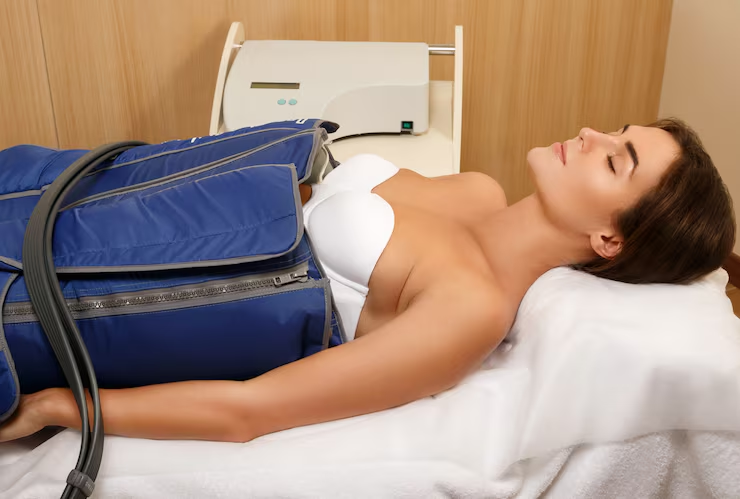
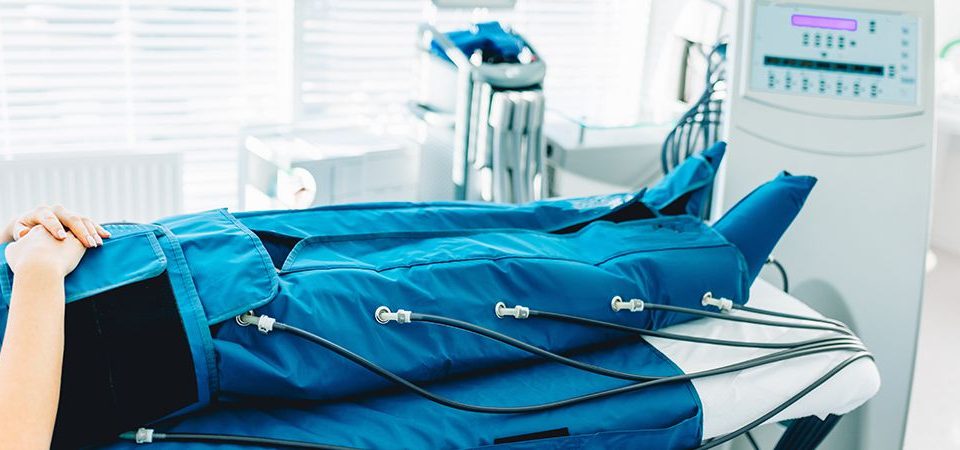
That said, hands-on work isn’t the only path to supporting lymphatic health. Some people prefer, or need, alternatives that don’t rely solely on therapist availability or technique variability from session to session. This has led to growing interest in equipment-based lymphatic drainage systems that aim to achieve a similar outcome through consistent, mechanical means rather than manual technique.
Choosing What’s Right for Your Body
Whether someone is drawn to a traditional, therapist-led session or a more standardized, equipment-based option often comes down to personal preference, specific health goals, and what realistically fits into their routine. Neither path is inherently better they’re simply different ways of encouraging the same underlying process: helping fluid move, easing tension, and giving the nervous system room to settle.
Some points worth thinking through when deciding:
- How much variability or personalization do you want session to session?
- Are you managing a specific medical concern, or looking for general wellness support?
- Does your schedule favor a consistent, repeatable session format?
- Have you had any prior experience with manual lymphatic drainage therapy, and did it work well for you?
For some people, a hands-on approach feels like the right starting point because of its long track record and the reassurance of personal care. Others, particularly those managing ongoing stress, sleep disruption, or continuous recovery needs, find that a more standardized session format fits better with their goals and schedule. For patients dealing with joint or tissue damage, lymphatic support is sometimes combined with other recovery-focused treatments, such as the GPF Method, which pairs it with therapies like A2M injections as part of a broader plan.
What matters most is having an honest conversation about your health history, what you’re hoping to achieve, and whether further diagnostic testing might be useful before committing to a specific approach. Recovery isn’t one-size-fits-all, and the best results usually come from a plan that’s actually built around your body rather than a generic protocol.
Recovery Is Bigger Than Muscle Soreness
It’s worth repeating: recovery isn’t just about sore muscles or tight shoulders. Circulation, inflammation, sleep quality, and your nervous system’s ability to truly downshift are all part of the picture. Addressing only the physical side while ignoring the nervous system piece tends to leave people feeling like something is still missing, even after consistent bodywork.
That’s why a growing number of people are treating lymphatic support not as an isolated treatment, but as one piece of a broader recovery strategy that also accounts for stress levels, sleep patterns, and overall nervous system regulation. It’s also common to see it paired with supportive treatments like IV therapy for hydration and recovery, especially for patients managing chronic tension alongside circulation concerns.
Final Thoughts
If you’ve been dealing with restless nights, a body that never quite feels like it fully relaxes, or a lingering “stuck” feeling after stress or an injury, it may be worth looking into how your lymphatic system fits into the picture. Supporting this often-overlooked system can play a real role in helping your body shift into the kind of deep rest it actually needs to repair itself.
Pinnacle Integrative Health offers a personalized approach to circulation and recovery support in Seattle, helping patients figure out what genuinely fits their body and their goals before recommending any treatment path. You can schedule a Health Discovery Session or get in touch with the team with any questions first.
Frequently Asked Questions
-
How is lymphatic drainage different from a regular massage?
Regular massage typically targets muscle tension and general relaxation, while lymphatic drainage techniques are specifically designed to encourage fluid movement along lymphatic pathways. The pressure and strokes used are usually much lighter and more rhythmic than a traditional massage.
-
How often should someone get lymphatic drainage sessions?
This depends on individual goals. Someone recovering from a recent procedure might benefit from more frequent sessions early on, while someone using it mainly for general circulation support and stress relief might find that a spaced-out, regular routine works just as well.
-
Is lymphatic drainage safe for everyone?
Most people tolerate lymphatic-focused therapies well, but certain conditions, such as active infections, blood clots, or specific heart or kidney issues, may need a conversation with a provider first. This is why a health history discussion typically comes before any treatment recommendation.
-
Can lymphatic drainage really help with sleep issues?
Many people report better sleep after adding lymphatic-focused sessions to their routine. This is often linked to the nervous system shifting into a more relaxed state during and after treatment, rather than the lymphatic effect working in isolation.
-
What’s the difference between hands-on techniques and equipment-based systems?
Hands-on techniques rely on a therapist’s training and manual application, adjusted session to session based on what they notice. Equipment-based systems apply a more standardized, consistent approach through mechanical means. Both aim for similar outcomes, just through different methods.
-
Do I need to prepare for a lymphatic drainage session?
Generally, not much preparation is needed. Staying hydrated beforehand can help, and wearing comfortable clothing is usually recommended. Most providers will walk you through anything specific during your initial conversation.